If you've ever wandered down the natural remedies aisle or scrolled through beauty hacks on social media, you've probably come across castor oil. It's one of those old-school staples that's been around forever, but lately, it's having a bit of a renaissance. People swear by it for everything from gut health to glowing skin. But what exactly is this stuff? How do they get it out of the plant, and are those health claims legit? Let's dive in—I promise to keep it straightforward, like we're chatting over coffee. As someone who's looked into products like this for export and marketing purposes, I find castor oil fascinating because it's so versatile. From ancient remedies to modern industries, it's got a story worth telling.
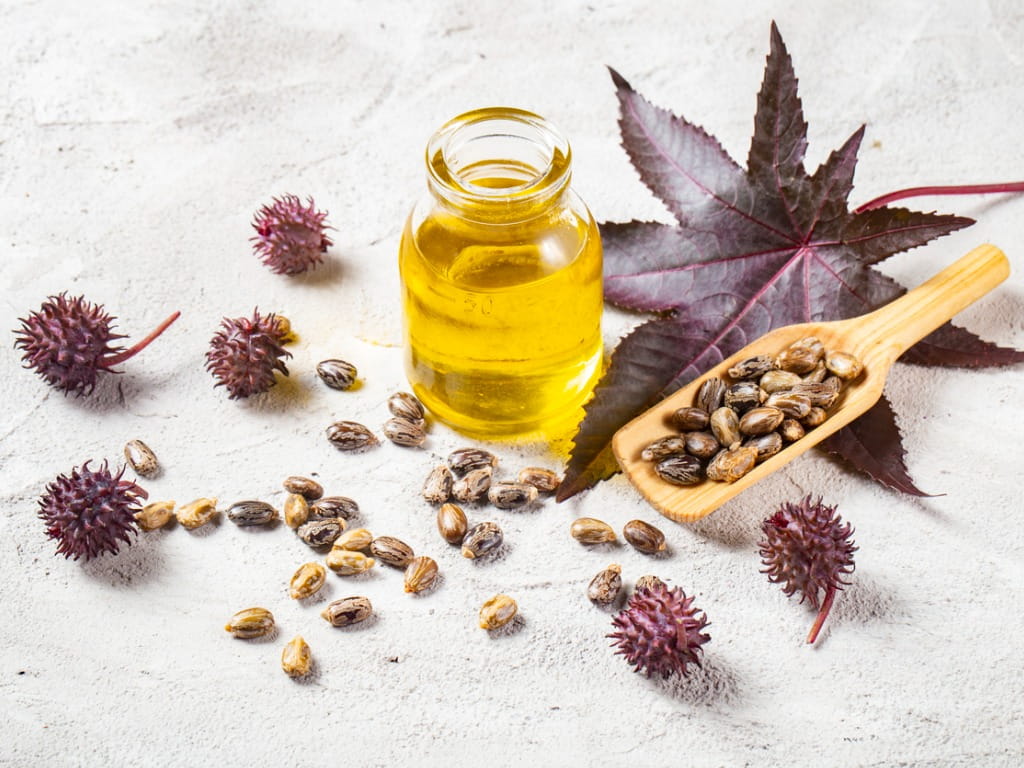
First off, what is castor oil? It's a vegetable oil derived from the seeds of the castor plant, scientifically known as Ricinus communis. This plant is a tough one—it's native to tropical regions like Africa and India, but it grows pretty much anywhere with warm weather. The seeds, often called castor beans, look innocent enough, but they're packed with oil—about 40 to 60 percent of their weight. The oil itself is usually a pale yellow, thick liquid with a mild, nutty scent (though some refined versions are odorless). Chemically, it's unique because around 90 percent of its fatty acids are ricinoleic acid, which is this special monounsaturated fat with a hydroxyl group that makes it super reactive and useful. There's also a bit of oleic acid, linoleic acid, and other minor ones like stearic and palmitic acids. Fun fact: the plant's beans contain ricin, a toxin, but proper processing gets rid of that, so the oil is safe.
Now, onto the extraction process, which is key to understanding why different grades of castor oil exist. The basic method starts with harvesting the seeds from the plant's spiky pods. They're dried and then hulled to remove the outer shell. The real magic happens in pressing. Cold-pressed castor oil, for example, is extracted mechanically without heat—think big presses squeezing the oil out at low temperatures to keep all the natural goodies intact. From what I've seen in product data sheets, like those from Indian manufacturers, cold-pressed versions have specs like a viscosity of U-V on the Gardner scale, moisture under 0.25%, and an acid value max of 1. The hydroxyl value is at least 160, and it's got a low free fatty acid content, making it pale yellow and viscous. This method retains nutrients and is ideal for health and cosmetic uses.
But not all castor oil is cold-pressed. For industrial grades, like First Special Grade or Extra Pale Pressed, they might use heat or solvents to extract more oil efficiently. In the Extra Pale Pressed grade, it's highly refined for a lighter color (9Y-1R max on Lovibond scale) and even lower acid value (1 max). The process often involves heating the seeds to deactivate any toxins, then pressing or using expellers. Sometimes, there's solvent extraction with hexane, followed by refining steps like degumming, neutralizing, bleaching, and deodorizing. These refined versions are clearer and more stable, perfect for things like paints or lubricants. In India, a major producer, factories like those in Gujarat handle massive volumes—packing in 200kg drums or flexi bags for export. The goal is purity: low impurities, consistent density (around 0.954-0.960 at 20°C), and specific optical rotation for quality control.
Alright, let's talk health benefits—the part everyone gets excited about. Castor oil's been used medicinally for centuries, and modern science backs some of it up. The big one is as a laxative. The FDA approves it for relieving constipation because ricinoleic acid stimulates intestinal muscles, helping things move along. It's potent, though—can cause cramping or diarrhea if overdone, so stick to small doses like a teaspoon. For skin, it's a natural moisturizer thanks to those fatty acids that lock in hydration and fight inflammation. Studies suggest it promotes wound healing by keeping the area moist and reducing bacteria. I've heard folks use it for acne: apply a bit diluted, and it can unclog pores without drying out your face.
Hair care is another hot topic. Massaging castor oil into your scalp might strengthen hair follicles, reduce dandruff, and add shine—ricinoleic acid improves circulation and balances pH. Some even use it for eyelashes and brows to encourage growth, though results vary. For eyes, castor oil drops are touted for reducing inflammation and improving dryness, acting as an emollient. And don't forget oral care: it's sometimes used to clean dentures or as an oil pull for fresher breath. On the flip side, it's not a miracle cure. Claims about it treating cancer or inducing labor lack strong evidence, and pregnant women should avoid it to prevent nausea or complications. Always patch-test for allergies, and consult a doc if you're on meds.
Beyond health, castor oil's a workhorse in industries—think lubricants, cosmetics bases, even biofuels. For companies like ours at United Global Commerce in Mumbai, exporting high-quality grades from India means highlighting these benefits to buyers worldwide. Whether you're into natural wellness or need industrial raw materials, castor oil's got something for you. If you're thinking of trying it, go for organic, cold-pressed versions to maximize those perks. Have you used it before?
2
Jan 2026

Once dismissed as husk waste, cocopeat is now a sustainability win and a fast-growing export from India.
Questions or looking for a quote? Our team is happy to help with product details, pricing, and logistics.
MONDAY TO SATURDAY: 8AM TO 7PM
info@unitedglobalcommerce.com
sales@unitedglobalcommerce.com
B/2103, Parijat Hill View, Magathane, Borivali (E), Mumbai 400066, Maharashtra, India
(+91) 90824 88788
(+91) 99677 78678


 MANDARIN
 SPANISH
 ARABIC
 FRENCH
 PORTUGUESE
 RUSSIAN
 INDONESIAN
 GERMAN
 JAPANESE