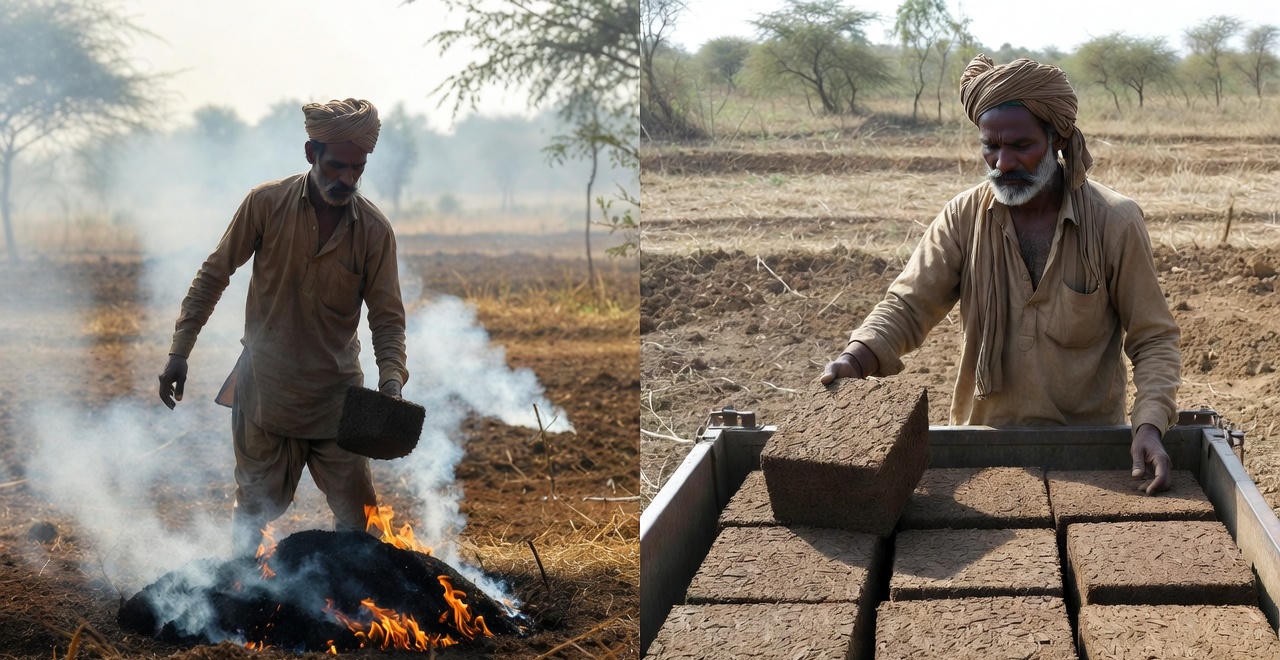
Living in Mumbai, I've watched India's trade scene evolve, and cocopeat's story stands out. Once dismissed as junk from coconut husks—often burned by farmers in states like Tamil Nadu, causing pollution—it’s now a top export worth millions. At United Global Commerce, we export grades like low EC washed blocks and organic variants, and we’ve seen how this shift boosts sustainability and profits. Let’s explore its rise, uses, and practical marketing tips.
Cocopeat is the spongy pith from coconut husks after coir extraction. It holds water exceptionally well—up to eight times its weight—while maintaining good aeration and a near-neutral pH (5.5–6.5). Our lineup includes 5 kg blocks (expanding to ~75 liters), grow bags for vegetables, and discs for seedlings. With HSN 53050040, it’s processed by soaking, screening, and thorough washing to achieve low EC (<0.5 mScm) for hydroponics. Technical documents typically highlight moisture less than 15% and compression ratios optimized for shipping efficiency.
The turnaround began in the 2010s. India produces 20+ billion coconuts annually, leaving husks as waste. Burning harmed air quality, but global demand for eco-friendly alternatives to peat moss changed the game. Peat harvesting destroys wetlands; cocopeat—renewable and affordable—filled the gap. Entrepreneurs like Global Green Coir scaled operations, exporting to 20+ countries and reaching ~₹75 crore revenue. Firms with coconut roots, such as Sai Substraits, helped build a ~₹4,000 crore industry, supported by government schemes like Niryat Bandhu for training and certifications.
By 2023, exports topped ~980,000 tons; the 2024 market reached ~$0.38 billion, eyeing ~$0.47 billion soon. Over the past decade, ~5 million tons shipped earned ~₹13,000 crore. 2025 projections suggest ~$63.64 million for India, with ~9.6% CAGR. Key buyers include the US, Netherlands, Korea, and Japan—using cocopeat in greenhouses, bedding, and erosion control. The post-COVID gardening surge further amplified demand.
Benefits drive adoption: sterile, pest-free, and root-boosting for hydroponics. For marketing, emphasize eco advantages—reduces water use by up to ~70% and is fully biodegradable. Use B2B platforms and trade shows, and highlight compliance—certifications for EU/USA markets. We customize packaging and produce clear documentation (tech sheets, export invoices), showcasing value-add.
Challenges remain—salt control and competition from Sri Lanka—but innovation wins. Cocopeat embodies India’s waste-to-wealth potential. For marketers, lead with credible green narratives; for documentation, standardize specs to build trust. Interested in exporting or sourcing? Let’s discuss how United Global Commerce can tailor cocopeat solutions to your needs.
09
Aug 2025
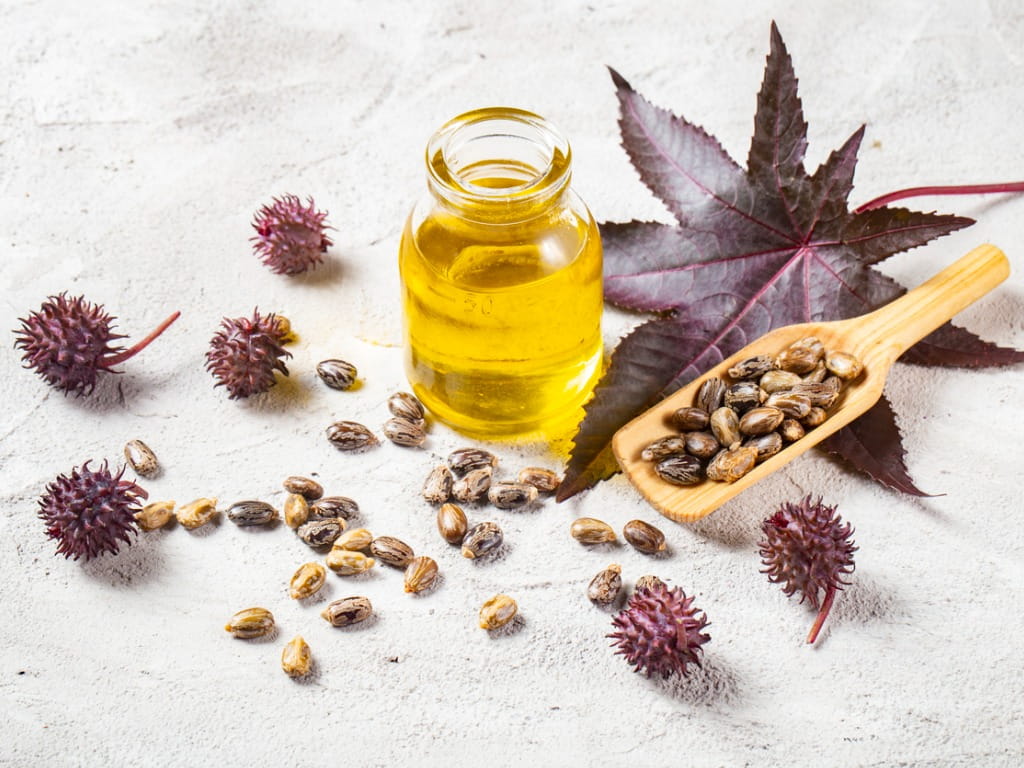
It’s one of those old-school staples that’s having a renaissance—from wellness to industry, here’s how it’s made and why it matters.
Questions or looking for a quote? Our team is happy to help with product details, pricing, and logistics.
MONDAY TO SATURDAY: 8AM TO 7PM
info@unitedglobalcommerce.com
sales@unitedglobalcommerce.com
B/2103, Parijat Hill View, Magathane, Borivali (E), Mumbai 400066, Maharashtra, India
(+91) 90824 88788
(+91) 99677 78678

 MANDARIN
 SPANISH
 ARABIC
 FRENCH
 PORTUGUESE
 RUSSIAN
 INDONESIAN
 GERMAN
 JAPANESE